

 Illustration
 Illustration
 Photo
Photo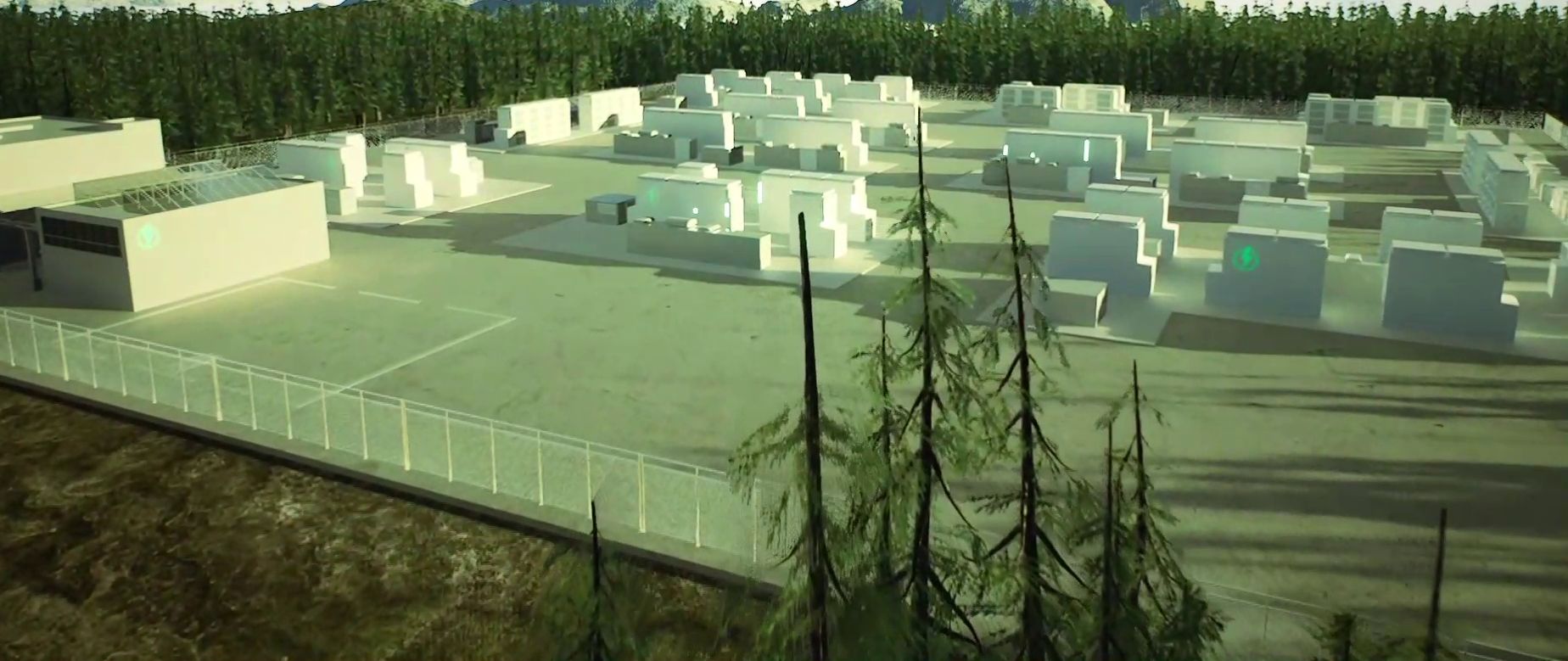
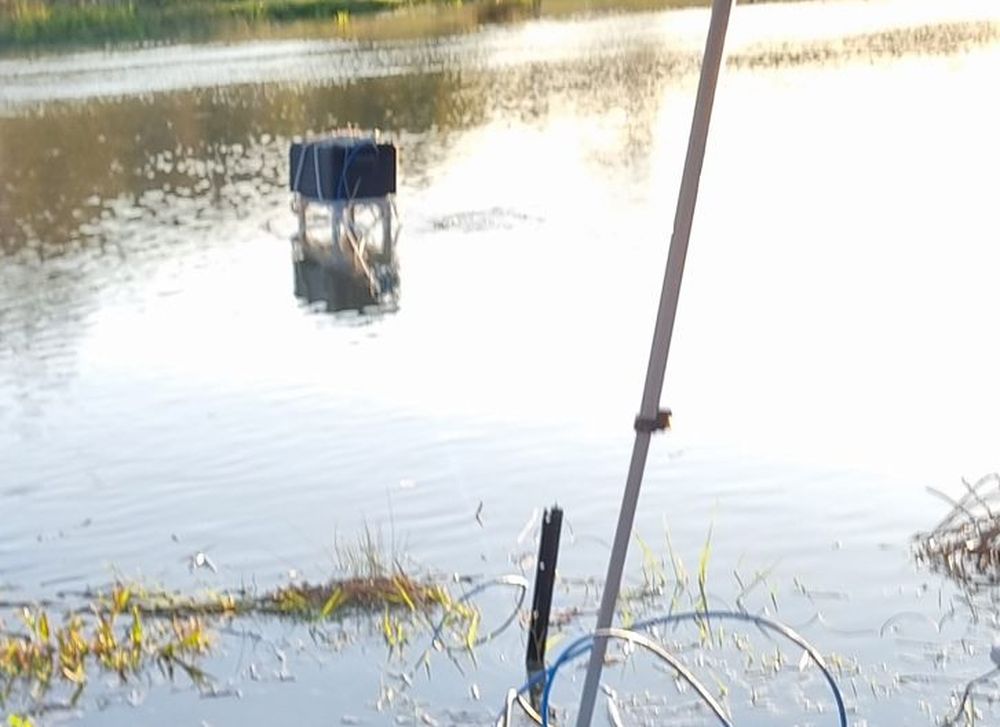

Manta Module™: The Torque of the Tides
With our world’s continuous need for reliable energy, expanding clean, green renewable energy sources is more important than ever to combat our dependency on fossil fuels and the emissions they create.
The insurmountable volume of scientific data published to support the decline of ecosystem health, has seen communities all over the world move to minimise the impacts of climate change on our living environment. It hardly requires reading; the impact confronts us all as we witness the effect of drought, floods and fires across our biodiversity rich landscapes.
With growing difficulty accessing fossil fuels and their relative profitability waning, leading entrepreneurs and businessmen and women alike, have been rapidly developing effective alternatives. Nuclear energy is one fantastic source of limitless power, however, the safe treatment and disposal of waste product, remains a challenge.
This has led to the great ‘rise of the renewables’ a sector promising limitless energy with minimal detriment to the environment.
Mankind’s efforts to date have been admirable as Solar and Wind now account for 100% of some country’s energy production although none of those are large industrial bases. The need to maintain and supplement short falls are still filled by either Coal or Gas fired plants that kick in when the demand upon the grid outstrips what wind and solar can provide.
Another issue is the amount of waste created by the renewable sector.
Wind Turbines have made headlines in the media as their blades which contain resin coated carbon fibre, once damaged or destroyed, are difficult to recycle. The material requires chemical dissolution to salvage any useful material.
The use of solar also has its disadvantages; large ‘solar farms’ are often installed on quality arable land, adversely impacting agricultural productivity.
So, what else is there? Waves and the energy they store have captured significant attention of late. Many attempts at creating a durable, all weather wave generator resistant to storm damage, have largely proved to be unsuccessful. They also stand above the surface in many cases spoiling the aesthetics of the area.
However, under the water and out of the sight of man, lies an even more reliable source of energy than the waves and that is the tide.
Several large tidal energy systems exist today and most rely on one method or another to generate pressurised air to turn a turbine. Puffs of air run up large pipes to an onshore generator which spins creating power. The trouble with these systems is that they tend to be expensive to build and install and usually require years to regain the capital investment. They are also not modular, have low scalability and lack the grit to power a local town let alone generate industry level power.
That was, until now. The Manta Module™ is a system that can be made from potentially 100% recyclable, durable plastics, and metals. Obscured from the eye they maintain the local amenity of a region and the design allows for rapid servicing and maintenance.
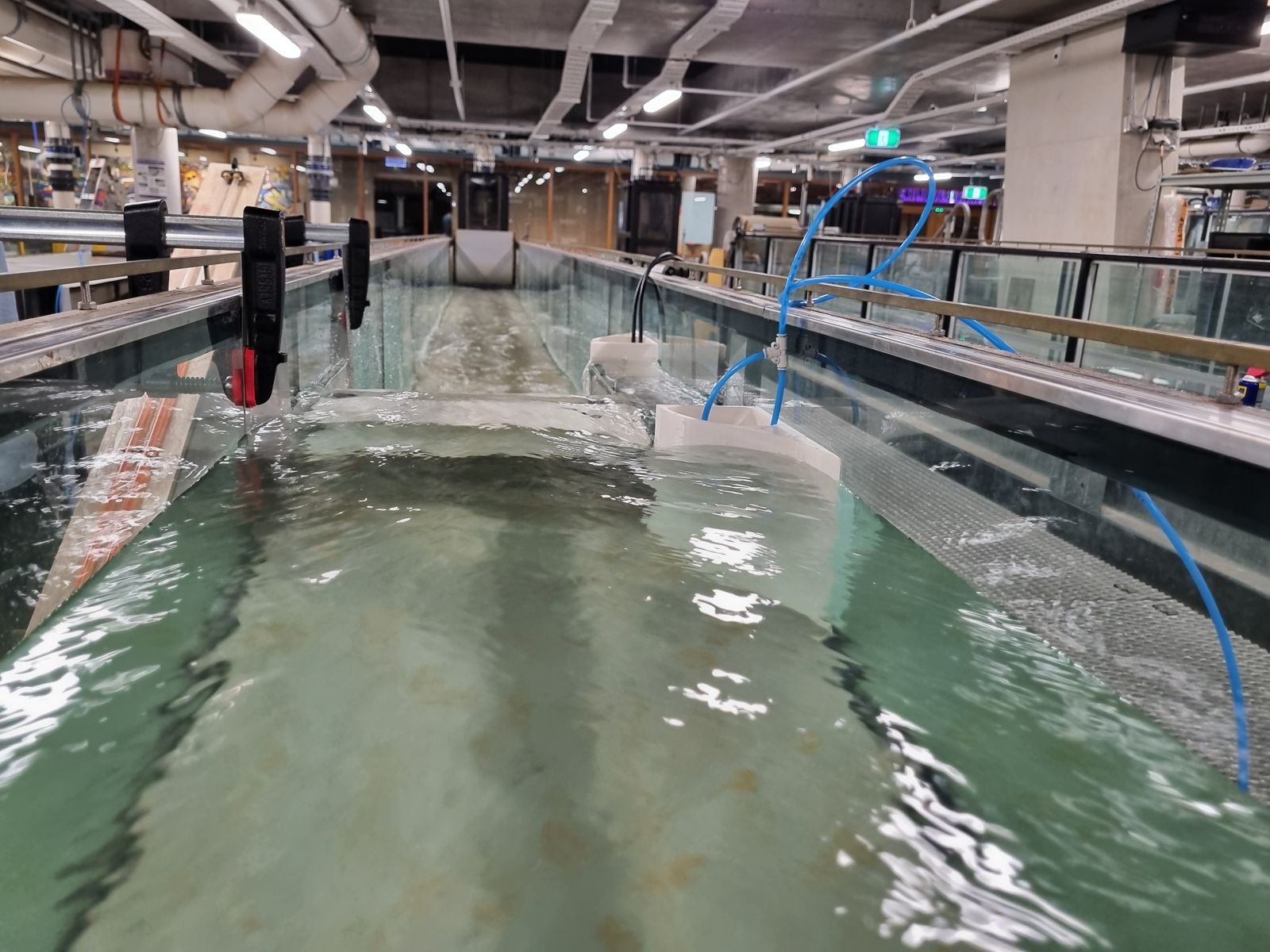
Manta Module™ concentrates the tidal flow through its proprietary body to drive its generators. With a 5:1 ratio, it turns 1 knot into 5 and generates the torque required to crank out some serious amperage. The units can be installed in many aquatic environments, in banks 20m apart, on vertical spars in open ocean currents and in rivers that run all year round. Manta Module™ would be an excellent addition to the Fiords of North Western Europe. Another promising adaptation of the device could be fitted to large vessels in the future which often rely on a generator to create power at anchor. Given ships face into the tide, an inlet under the hull, much like the intake of a water-jet engine, could allow water to flow through a Manta Module™ installed midships. Generating all the necessary power required at anchor and could even recharge the batteries of future electric vessels.
Unlike other systems that are large and costly to install; the Manta Module™’s unit size can be tailored to the environment and local conditions. Its moving parts can also be made from flexible materials, lowering any impact on sea life. Biofouling is of little issue as barnacles and other molluscs would find it difficult to adhere to or settle on the surfaces causing blockages.
Its position in the ocean is also critical in deterring physical obstructions. Being a few metres above the sea floor allows for sunken objects like logs to pass harmlessly underneath while floating ones simply pass overhead. But what about plastic, ropes and fishing nets and other man-made junk which frequents the coastlines of some of the world’s largest cities? During testing, many objects simply passed through and out of the unit; however, in the event they get stuck, the units can easily be de-fouled by a scuba diver. In more dire situations where the system is clogged up by a net, large rubbish outflow during a storm or other obstacle like a flotilla of jellyfish, the system can simply be brought to the surface. A service craft brings it to the surface, where it is hauled aboard in minutes. There simple cleaning, rapid replacement of any damaged parts and de-fouling can be conducted and the system quickly re-submerged, clamped down and again making energy in very little time in comparison to other systems.
Power generated by the Manta Module™ is envisaged to not only power coastal towns and cities but to feed large industrial complexes inland. Working equally as well during the night, power can be channelled to large inland battery banks and used during the day when peak loads on power grids normally strain with demand.
Very few systems have the capacity to generate industry level power on every tide, be made clean and green, while also being readily accessible, cheap to repair and maintain. Surely now, you can count the Manta Module™ among them.